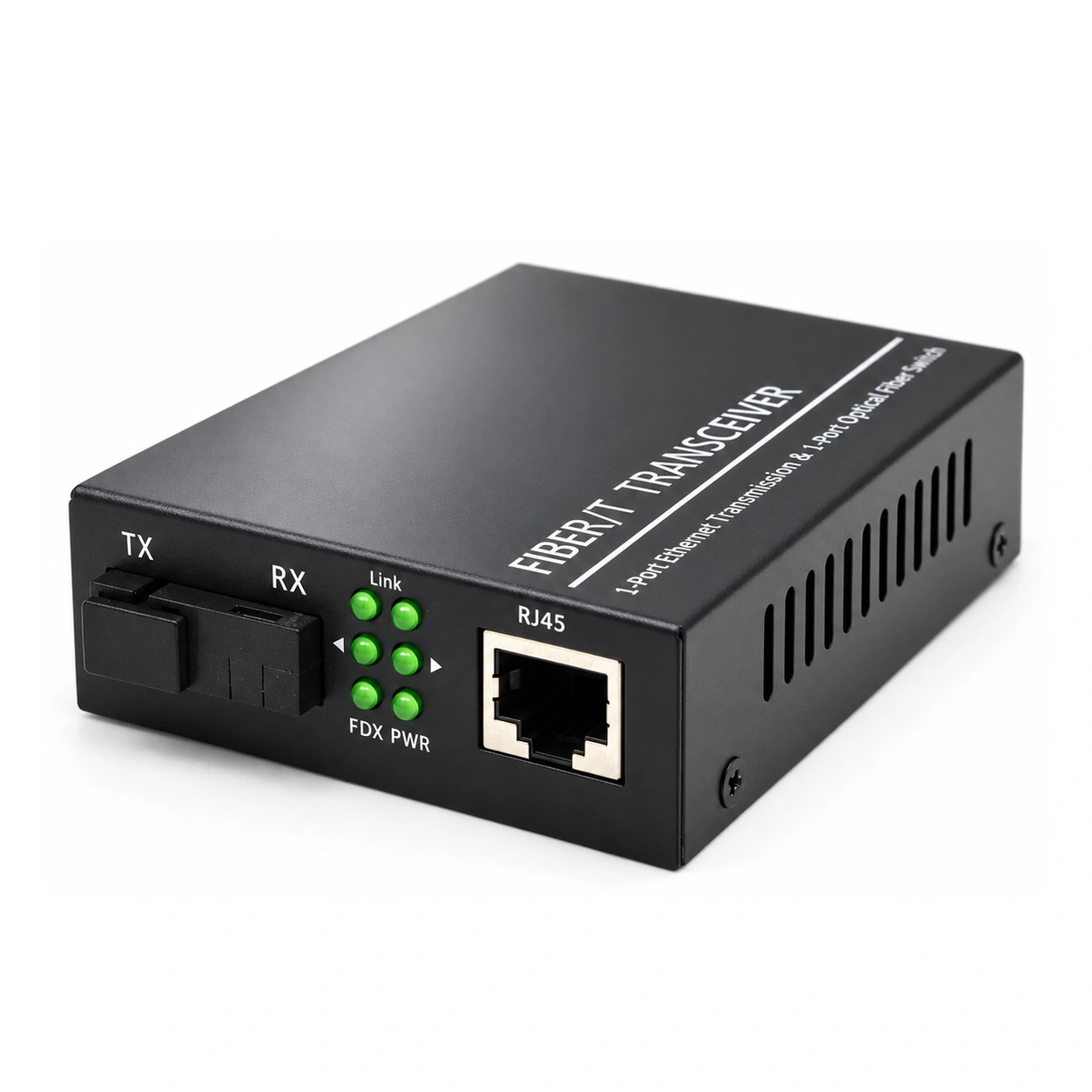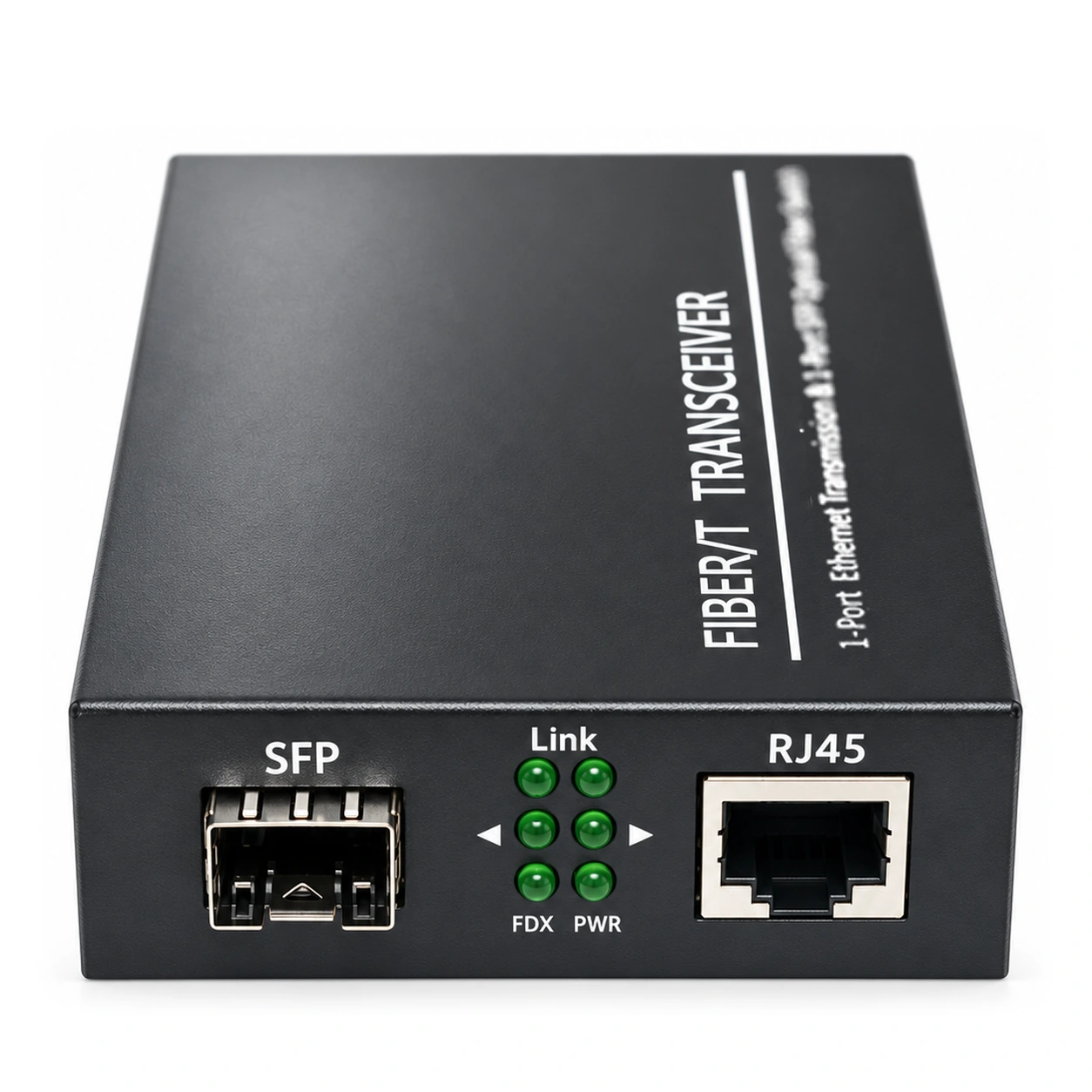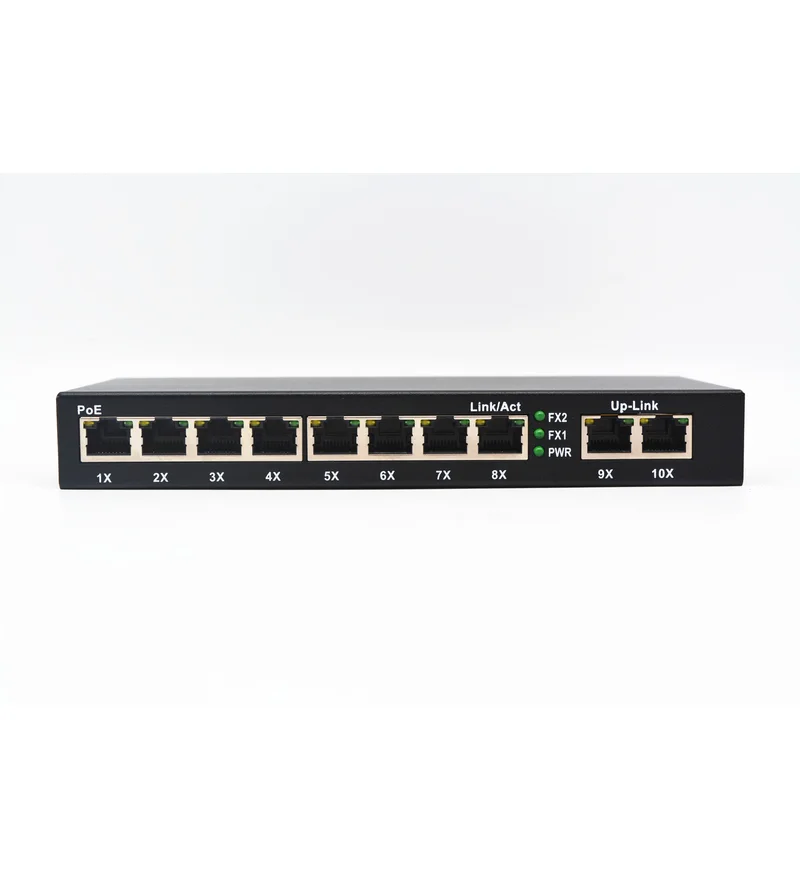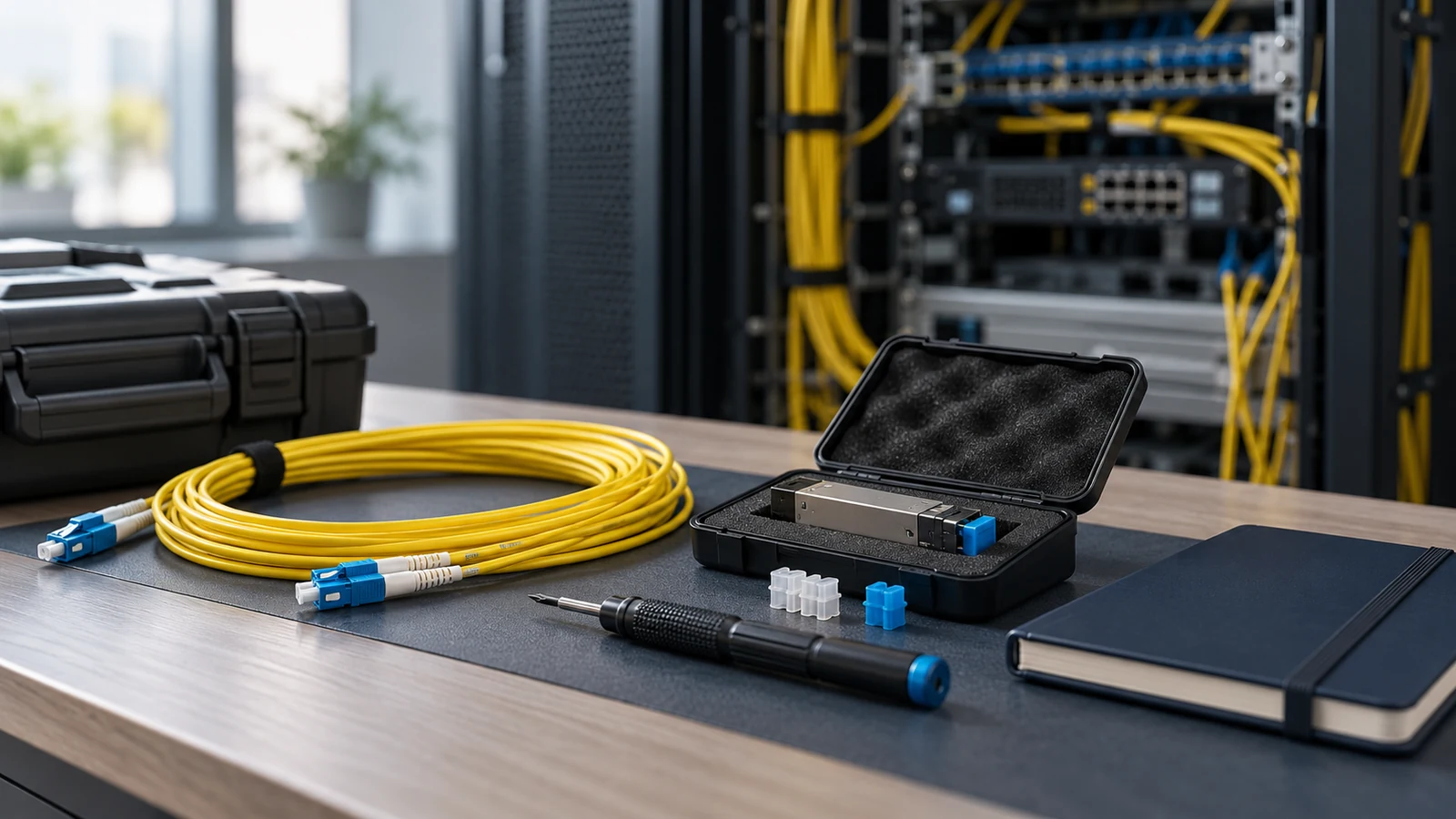
The invoice is one line of the cost
Comparing two converters by invoice price is like comparing two trucks by their paint. Over five years a fiber link costs: the hardware, the electricity it burns, the spares you must hold, the labor to swap failures, the revenue lost while the link is down, and the customers who quietly churn after the second outage. For equipment that lives on rooftops, towers and street cabinets, the purchase price is routinely the smallest of those six numbers.
The failure-rate multiplier
Every field failure triggers the same choreography: a ticket, a drive to the site, a climb or a locked cabinet, the swap, the drive back, the paperwork. If a cheap converter costs a few dollars less but fails three times as often in tropical heat and humidity, the arithmetic turns brutal — one truck roll can outweigh the saving many times over. Multiply the failure rate by hardware plus labor plus travel, and the "expensive" unit usually wins by a wide margin.
Downtime is paid by your customer
The hidden line item is trust. An ISP whose node goes dark at night refunds nothing yet loses subscribers who call a competitor by morning; a CCTV integrator whose recorder misses footage at the wrong hour may lose the whole contract. Downtime cost is not abstract — estimate the revenue the link carries per hour, multiply by the expected outage hours per year, and compare that figure directly with the price difference between the cheap and the solid option.
A five-minute TCO comparison
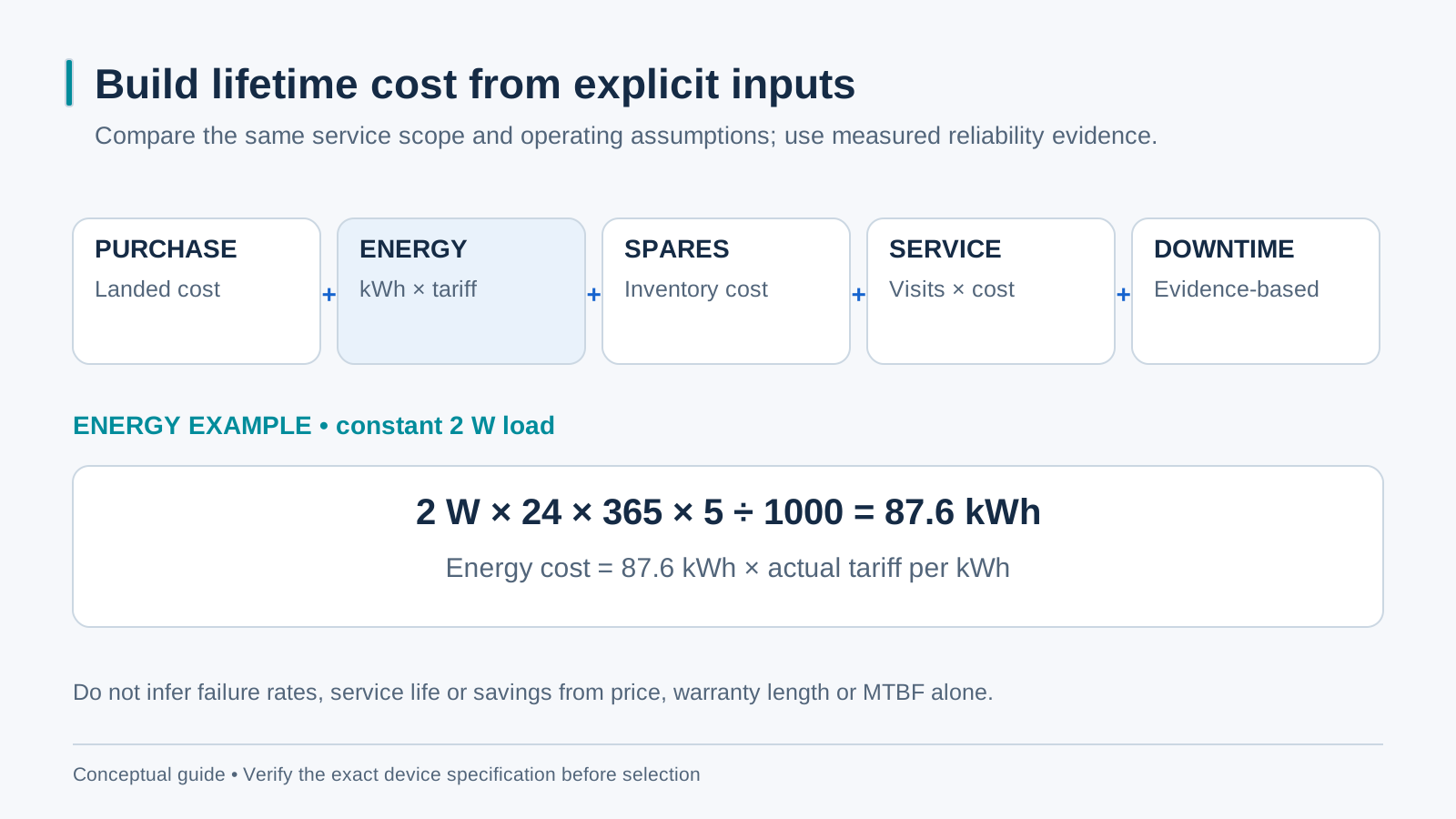
Build a five-year comparison using purchase price, measured input power, spares, service effort and upgrade needs. Annual electricity cost = watts ÷ 1,000 × operating hours per year × tariff per kWh. A continuously operating 2 W load uses 87.6 kWh over five years, before any separately excluded supply losses. Use stated assumptions and sensitivity ranges for failure rates, replacement work and tariffs rather than presenting one outcome as guaranteed.
Where saving money is rational
Some economies are honest. A 100M converter for a site with four fixed cameras is not under-specced; it is right-sized. Skipping management features nobody will configure, choosing a smaller MAC table for a camera ring, or skipping an industrial temperature rating for an air-conditioned indoor rack are all sensible moves. Saving on brochures, gift boxes and logo polish is likewise free money — as long as the electronics, the power path and the warranty behind them are not the parts being cheapened.
Where saving money always backfires
Do not substitute data speed for power capacity. A Gigabit PoE switch still has per-port and total PoE limits, which must be sized independently. For optical links, verify actual power and reach requirements. Redundant supplies and surge protection can reduce particular risks when correctly specified, but their value and remaining failure modes depend on the site design.
A buying rule that survives the field
Standardizing on supported equipment can simplify spares and maintenance. Compare complete specifications, test evidence, service obligations and the intended environment. Warranty length is a commercial term, not a direct measure of service life. Log failures and investigate their causes before deciding whether a model or the wider installation needs to change.