Express, air or sea: how the choice is made
Compare express, air and sea services using urgency, billable weight or volume, route, handling and destination charges. Small optics shipments often suit express, while larger consignments may suit air or sea. Transit estimates and the economical choice depend on the current quotation and service conditions; do not treat one delivery range or mode as guaranteed for every order.
Full container or consolidated cargo
FCL uses a dedicated container; LCL shares container space with other cargo. A sealed FCL can reduce intermediate cargo handling, but the container is still moved and may be inspected. Compare quotations, consolidation charges, transit estimates and destination handling for the actual volume and route. Build production, transport and customs time into the stock plan.
Packaging you should expect for optics
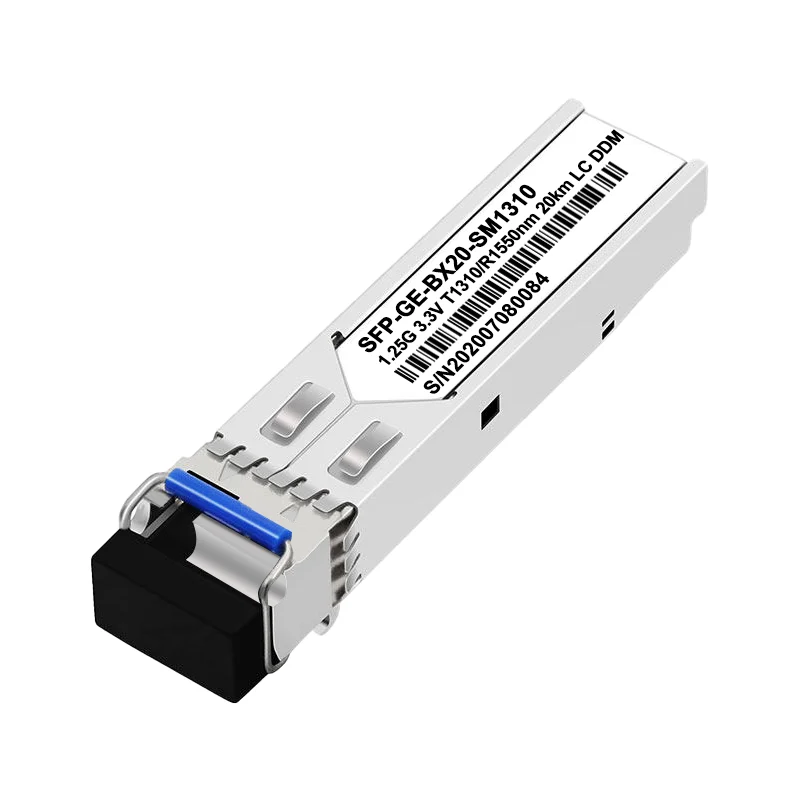
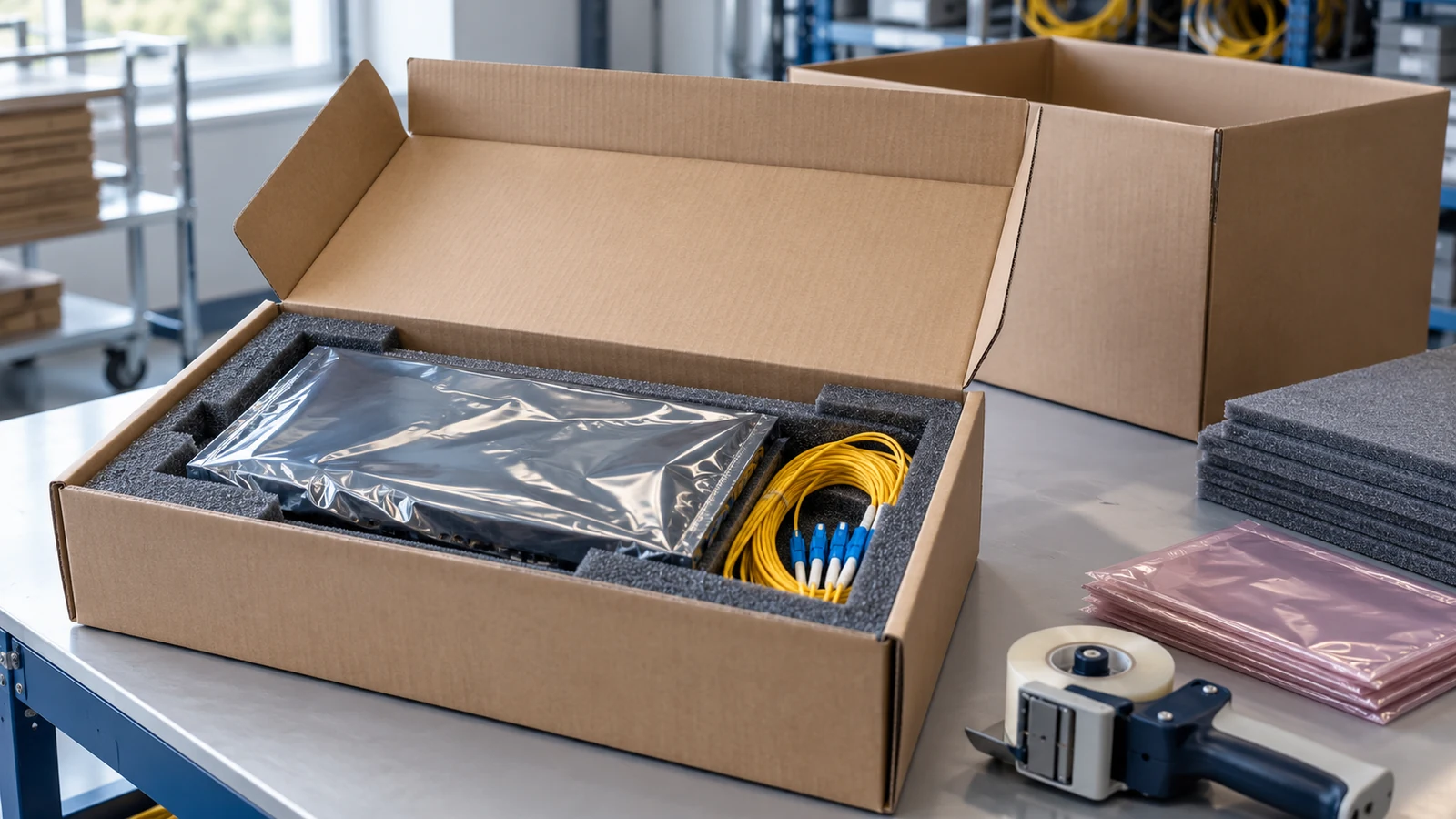
Optics travel badly in careless boxes. Expect every SFP module — a BiDi pair like the HS-SFP-GE-BX20 — sealed in an individual anti-static bag, seated in a blister or foam tray, with dust caps on the ports. Converters and switches should arrive in individual cartons with molded end caps, nested in double-wall master cartons with foam corners. For sea shipments, ask about desiccant bags and a humidity indicator card inside each master carton: a container crossing the equator sweats daily, and unprotected optics corrode long before installation.
The customs paper trail
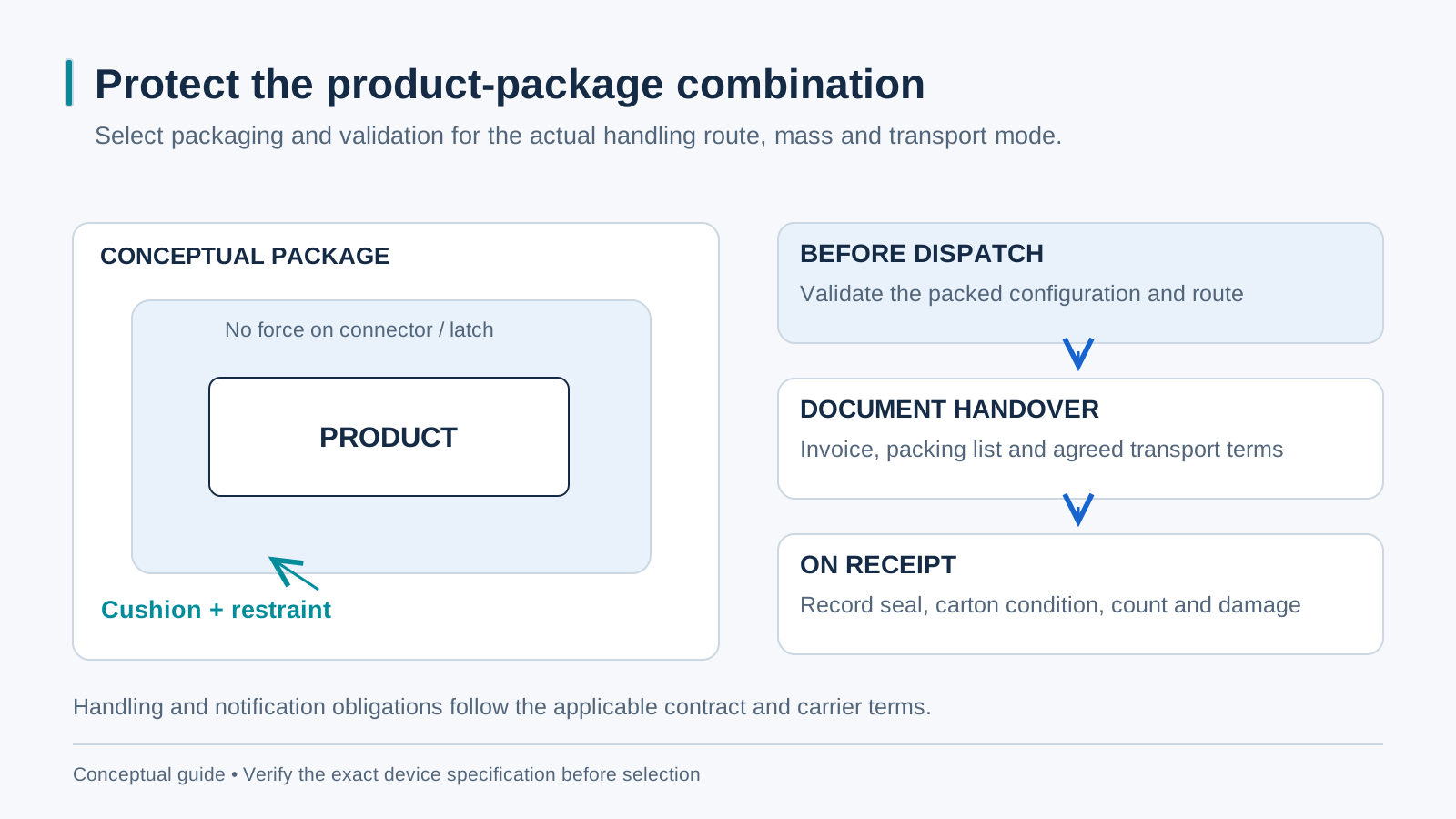
Confirm the invoice, packing list, transport document and any required origin or conformity records for the destination. HS 8517.62 is a tariff subheading, not a complete classification decision for every product. A Form E can support a qualifying ACFTA claim, but preference depends on the current tariff, origin rules and documentation. Have the importer or broker verify the exact requirements before dispatch.
Receiving: inspect promptly and follow agreed deadlines
Count cartons against the packing list and photograph visible damage promptly. Open packages in a clean area, verify model quantities and keep optics protected until testing. Follow the actual carrier, insurer and purchase-contract deadlines; there is no universal 48-hour claims window. Keep records linking discrepancies to the shipment and serial numbers.
Batch testing before the towers
Use a documented incoming inspection plan before deployment. Check identity, damage and quantities, then perform appropriate functional and traffic tests and optical checks with suitable tools. DDM is useful where available but is not a full optical qualification. Describe any powered screening by its actual duration, load, temperature and purpose; one hour at bench temperature is not a universal reliability test.
Working with the factory on logistics
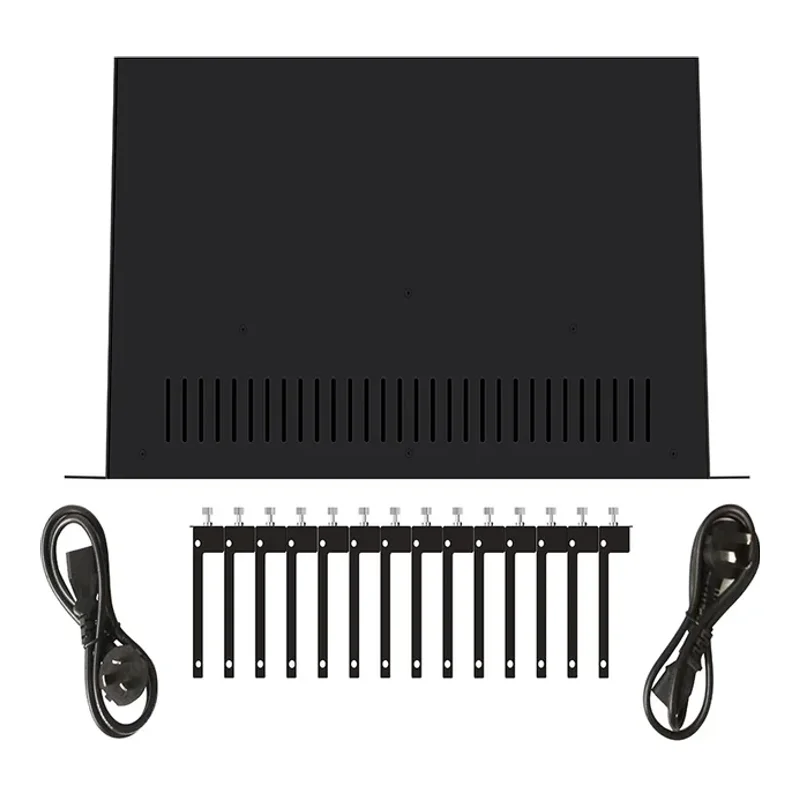
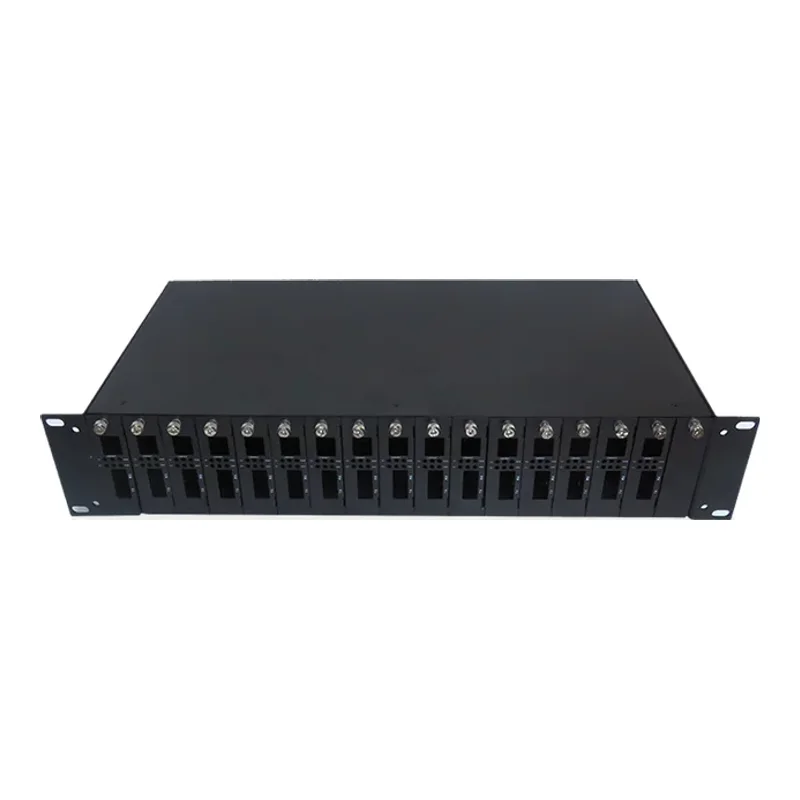
Ask for per-model carton dimensions and gross weights before requesting freight quotes — forwarders price volumetric weight, and a carton of converters charges differently from a pallet of rack chassis. Confirm the Incoterms in writing: ex-works, FOB and CIF place different slices of risk and cost on each side. For repeat programs, hold a buffer stock and consolidate mixed SKUs into one planned shipment per month; freight per unit drops sharply once a container fills with purchases made on schedule rather than in panic.