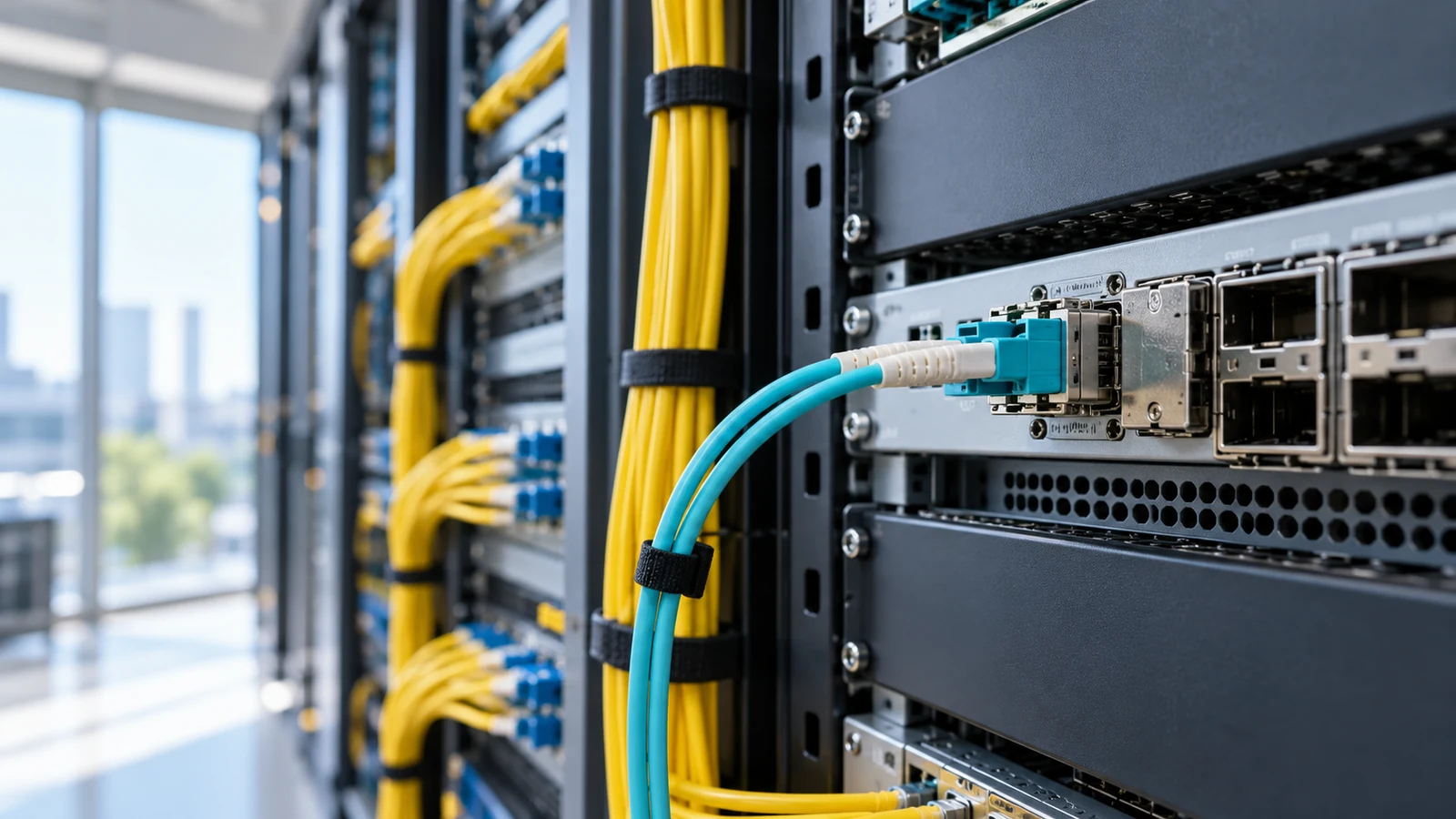
10G belongs at the core first, edges last
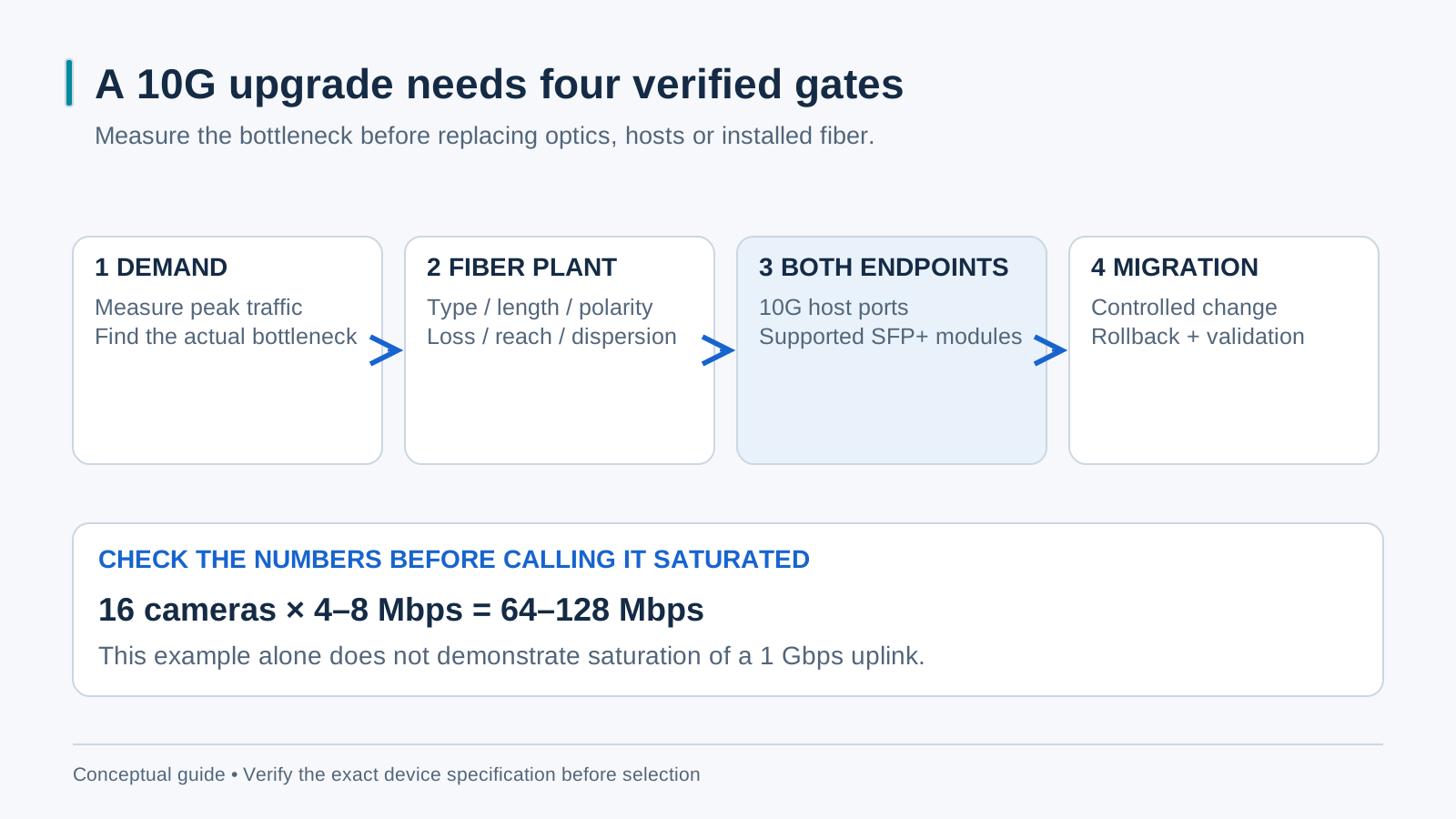
Growing networks should review aggregation and core links before upgrading every edge port. Sixteen cameras at 4–8 Mbps total 64–128 Mbps before additional streams and overhead; that example alone does not saturate a 1G uplink. Measure recording, playback, replication and other concurrent traffic, then choose 10G where present or forecast demand justifies it.
Your fiber survives; your modules may not
Existing single-mode fiber can often be reused for 10G after checking its type, route loss, condition and the selected optic’s reach and dispersion limits. Both hosts need compatible 10G interfaces and optics. Connector and splice loss should be tested; it is not simply an electrical jitter budget. Survey and test candidate routes before purchasing the upgrade.
The staged migration plan
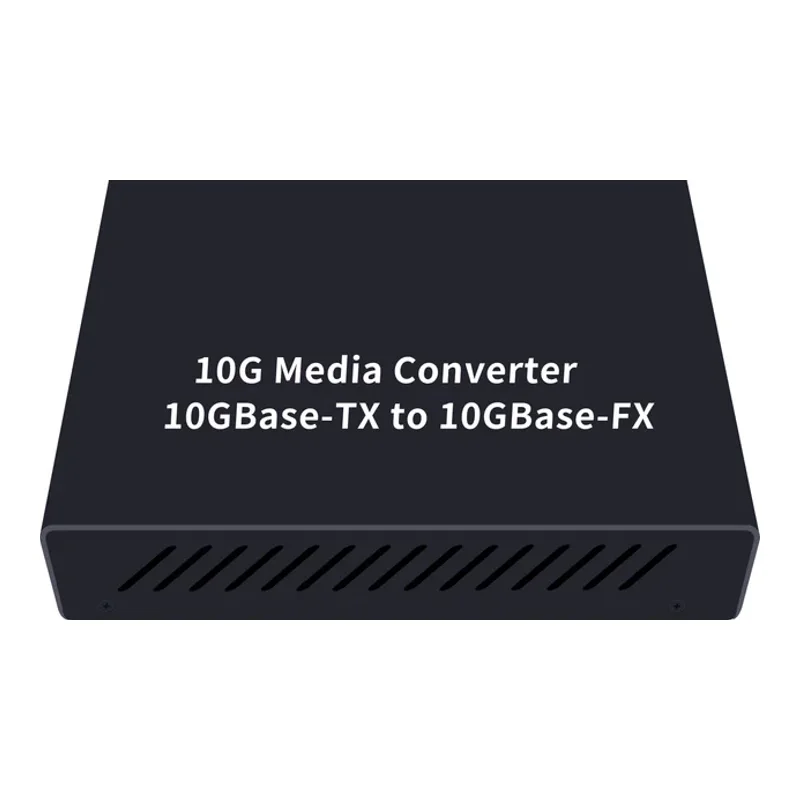
Stage 1: identify a core link with a demonstrated capacity need and verify both host interfaces and fiber path. Stage 2: upgrade aggregation links according to utilization and growth, rather than a fixed device count. Stage 3: upgrade individual applications that need more than 1G. Use 10G converters only where their documented interfaces solve a specific requirement, and keep a rollback plan.
What to order, in what order
First inventory the host interfaces and measure traffic. Next verify the candidate fiber routes and the chosen optics’ loss, reach and dispersion requirements. Then order compatible 10G host equipment and optics for the identified links, allowing for documented growth. Migrate in stages and validate throughput, errors and operational recovery before expanding further.