The physical difference
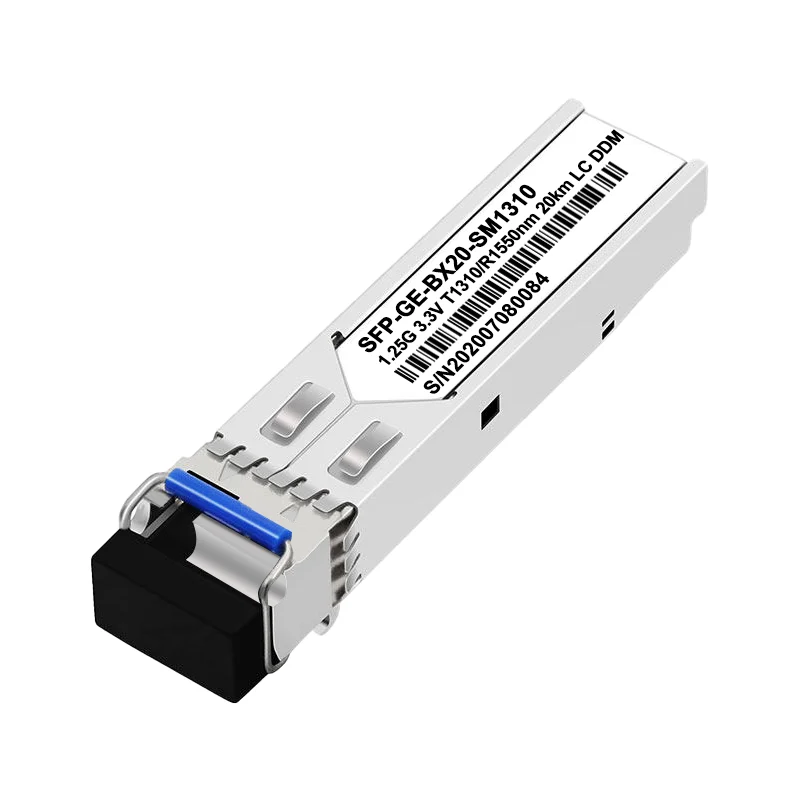
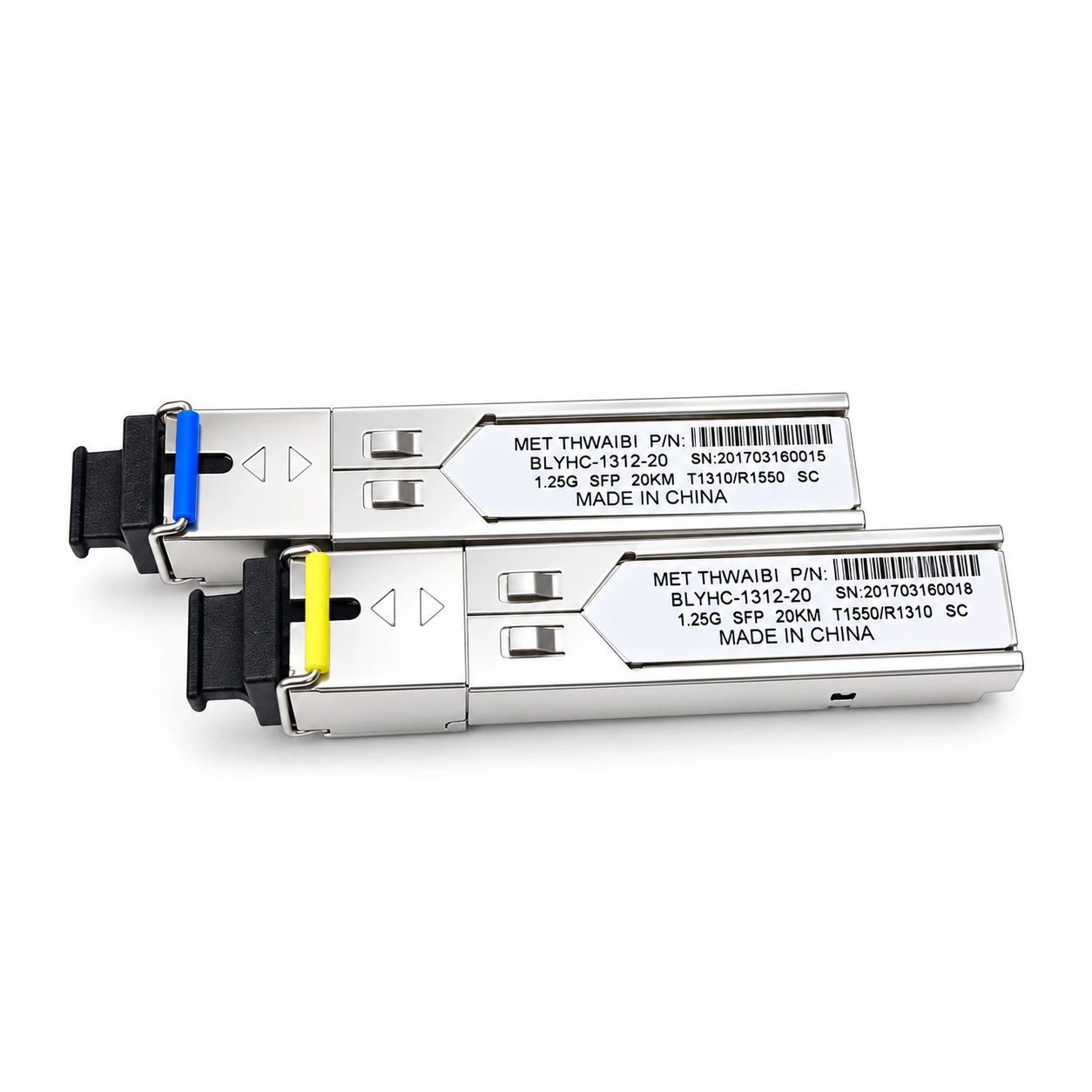
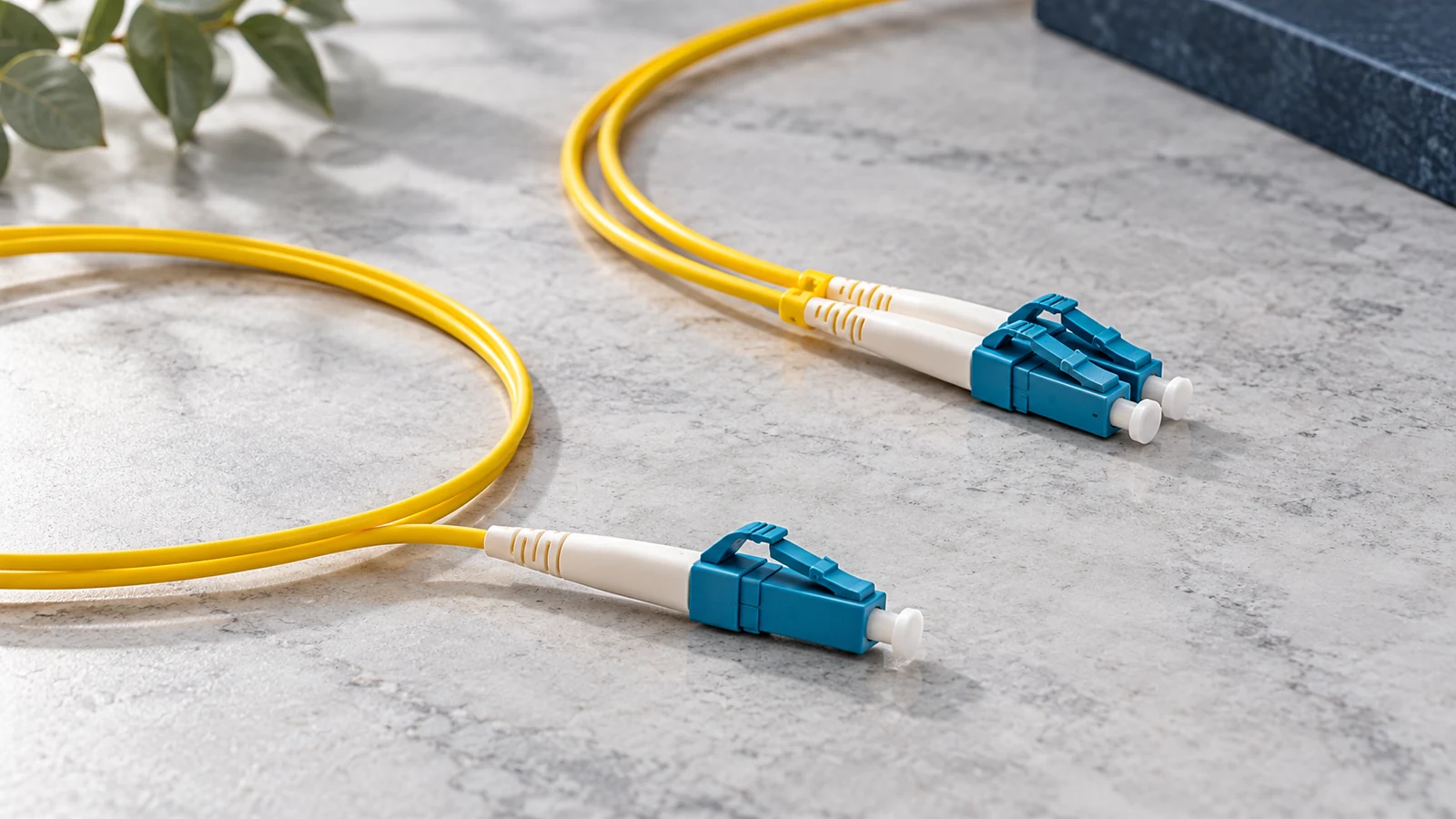
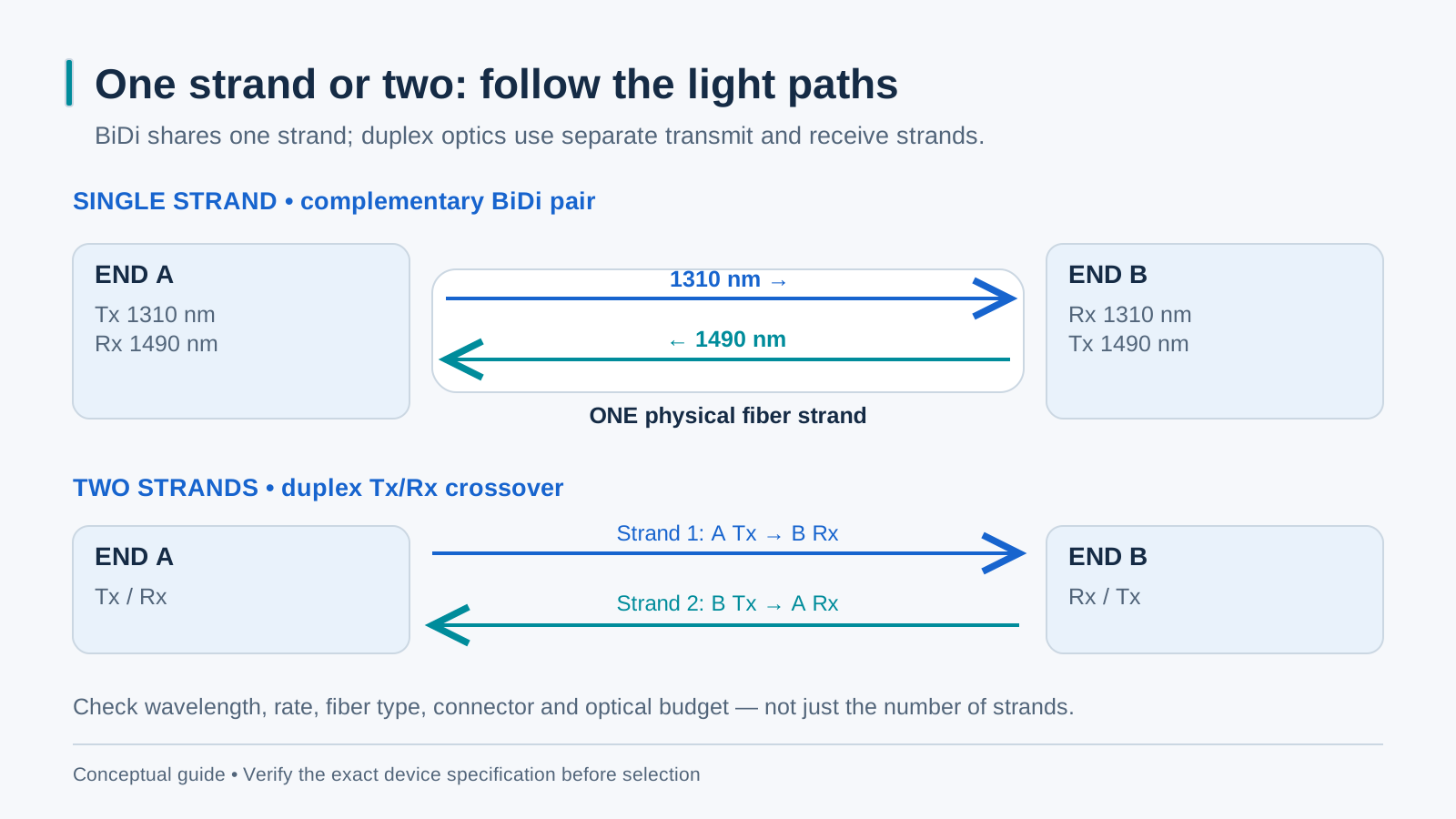
A dual-fiber optical link uses separate transmit and receive strands; each end’s TX connects to the other end’s RX. Wavelength depends on the optic. A single-fiber BiDi link carries both directions on one strand using complementary wavelength bands. For example, a TX1310/RX1550 endpoint needs the corresponding TX1550/RX1310 partner, but actual A/B labels and bands vary between product families.
When single-fiber wins
Choose BiDi when available strands or lease terms make one-strand operation useful. A cable can contain many strands, so halving strand use does not necessarily halve rental or civil-work cost. Compare the actual fiber availability, lease agreement, optics price and installation work. Payback depends on those costs rather than a universal first-year saving.
When dual-fiber wins
If a suitable fiber pair is already available, dual-fiber optics can be a practical choice. Confirm module cost, fiber grade, optical standard and test requirements for the route. Multimode reach is not always 550 m, and a product-family name does not establish whether the ordered variant is single-fiber or dual-fiber. Specify the required interface and paired optics explicitly.
Practical rules of thumb
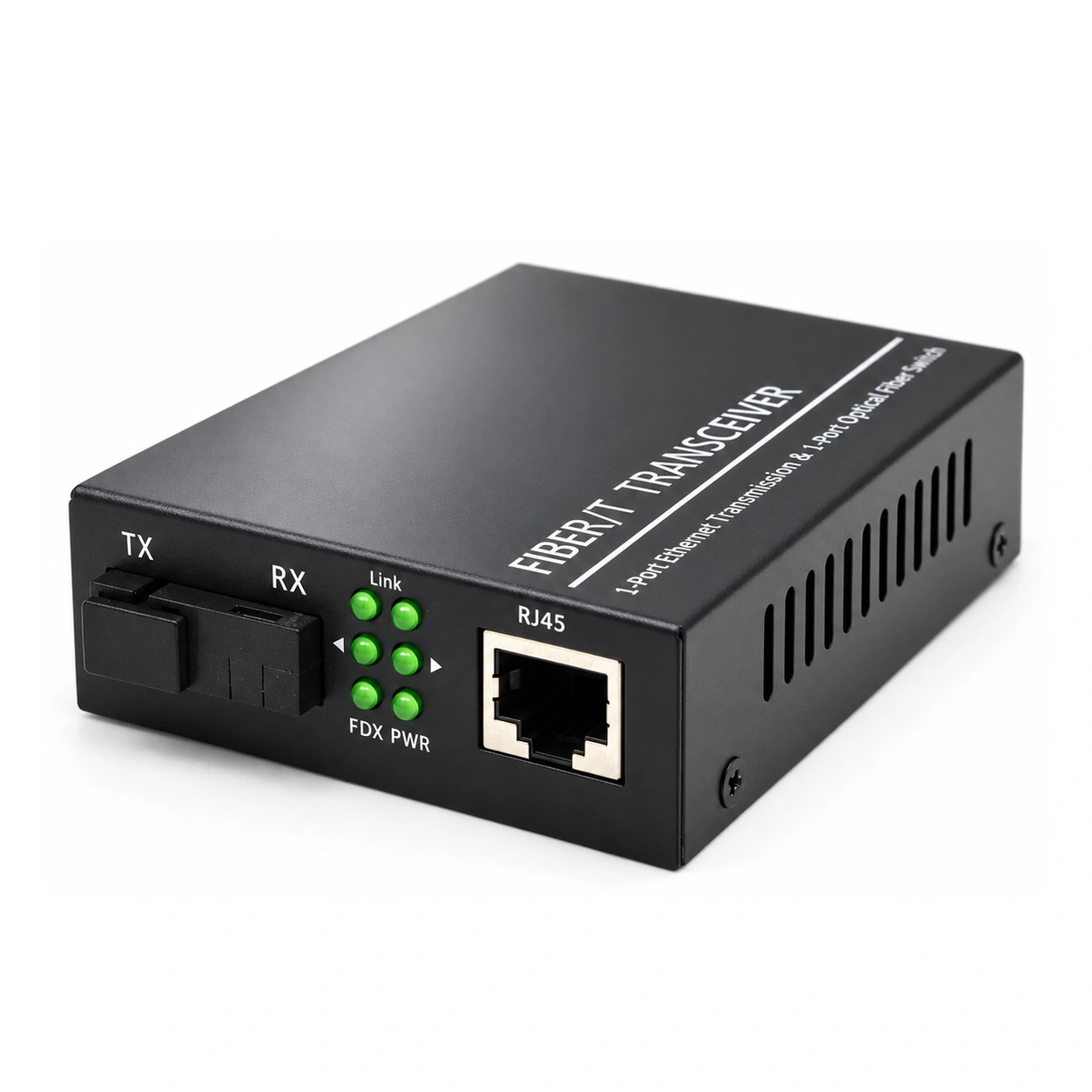
Check the actual complementary wavelength bands, optical protocol and rate at both ends, then verify loss, sensitivity, overload and rated reach. Use optics supported by the host; a physical 1.25G SFP slot is not a compatibility guarantee. PON ONU/ONT optics are not interchangeable with point-to-point Ethernet BiDi. Label endpoint roles and wavelengths, and retain the commissioning measurements.