The ports line, decoded
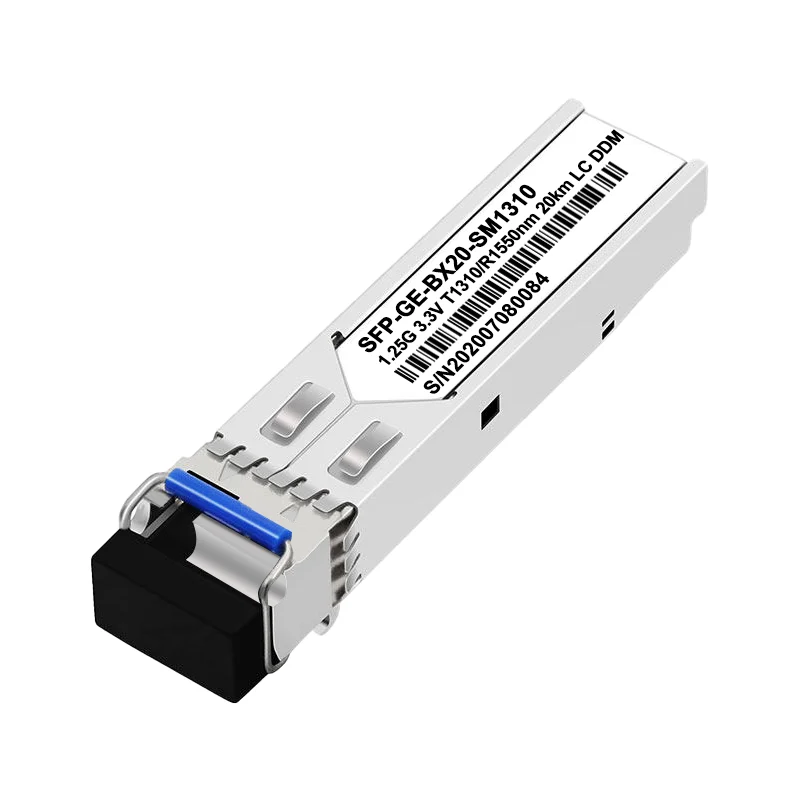
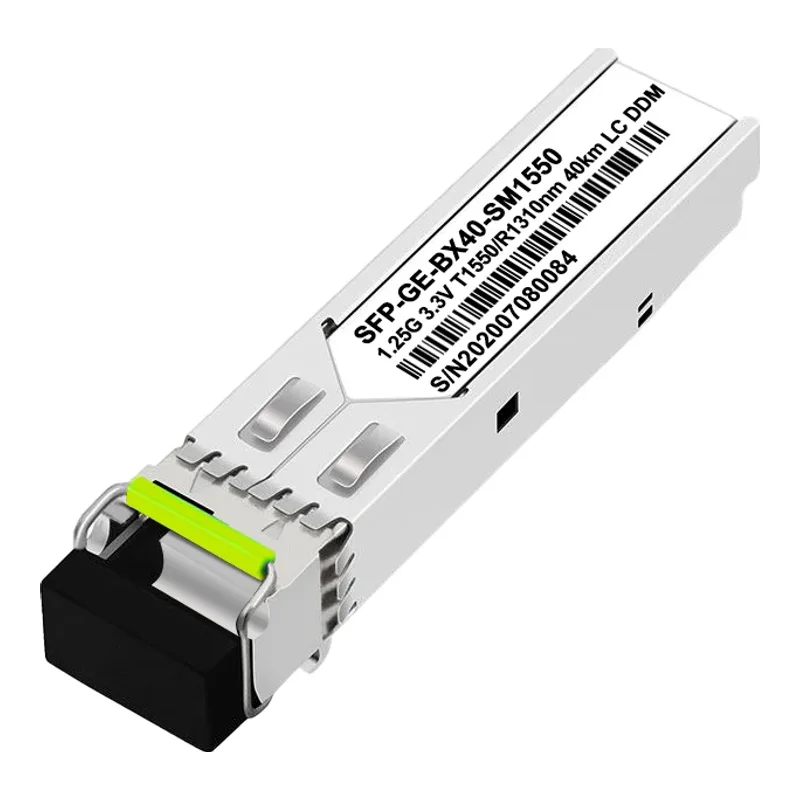
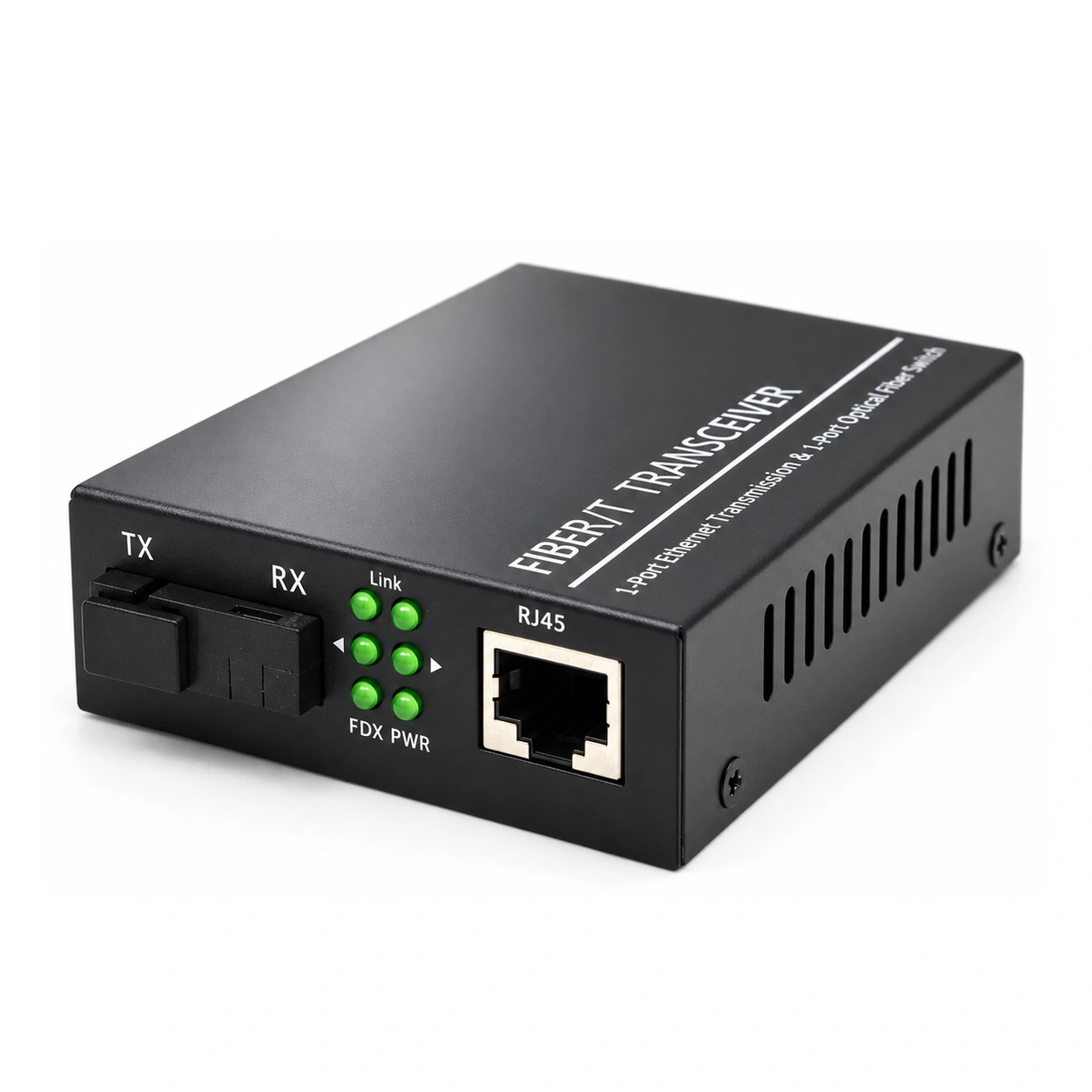
Start with the port specification: copper rates, optical interface, connector and supported host modules. A stated 100/1000BASE-X interface indicates documented dual-rate capability only within the manufacturer’s supported combinations; it does not make arbitrary FE and GE optics interchangeable. Confirm whether copper-to-fiber rate conversion is supported. If a listing says only “fiber port,” request the full specification before ordering.
Distance: rated reach is not your reach
Rated reach applies under specified optical and fiber conditions. Check the actual route, fiber grade, connectors and splices, and use a documented project margin covering measurement uncertainty, aging and repair allowances. Also check receiver overload and minimum path loss. Do not infer the delivered optic’s reach from the largest distance advertised for a product family.
Wavelength: why the A/B pair matters
Dual-fiber optics use separate TX and RX strands; wavelength depends on the interface and can include 850, 1310 or 1550 nm. BiDi optics use complementary transmit and receive bands on one strand. Read both modules’ actual specifications because A/B naming varies by product family. Match rate, optical standard, fiber type and both directional power windows.
Optical power: TX, RX and the link budget
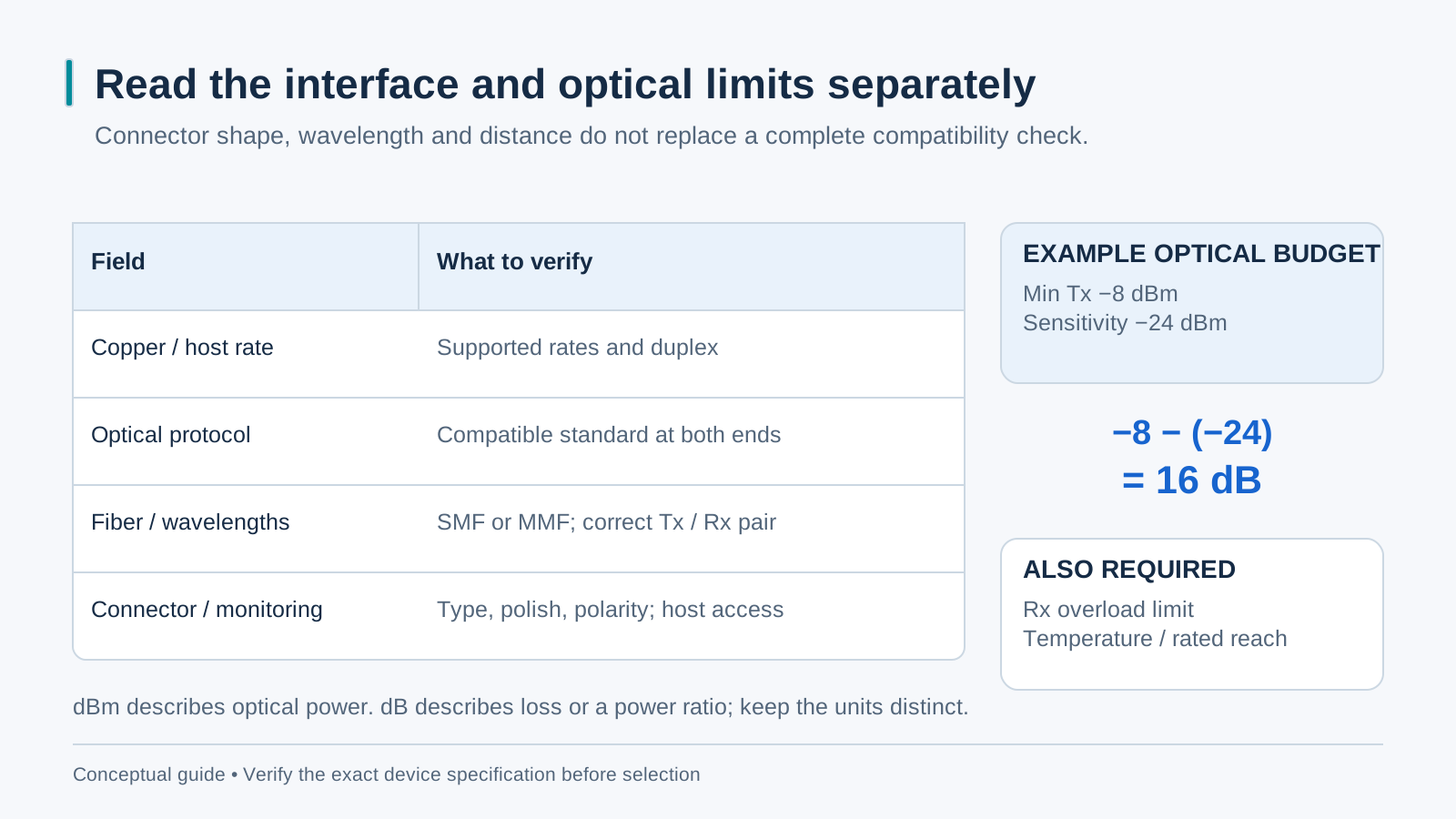
TX power is the optical output; receiver sensitivity is the minimum input specified for decoding under stated test conditions. An illustrative minimum TX of −8 dBm and sensitivity of −24 dBm gives a 16 dB budget. Deduct the measured or conservatively allowed path loss and the design reserve. Also compare maximum TX power and minimum path loss with the receiver-overload limit. DDM, where supported, aids diagnostics but does not replace the required measurements.
Power, temperature and humidity lines
Check power consumption and whether it is measured at the device or supply input. Read operating temperature, storage temperature, humidity and mounting restrictions for each exact model, including its optics and power supply. “Non-condensing” matters in damp cabinets. Do not apply a family-wide temperature or power range to every SKU without its current specification.
Marketing phrases versus measured reality
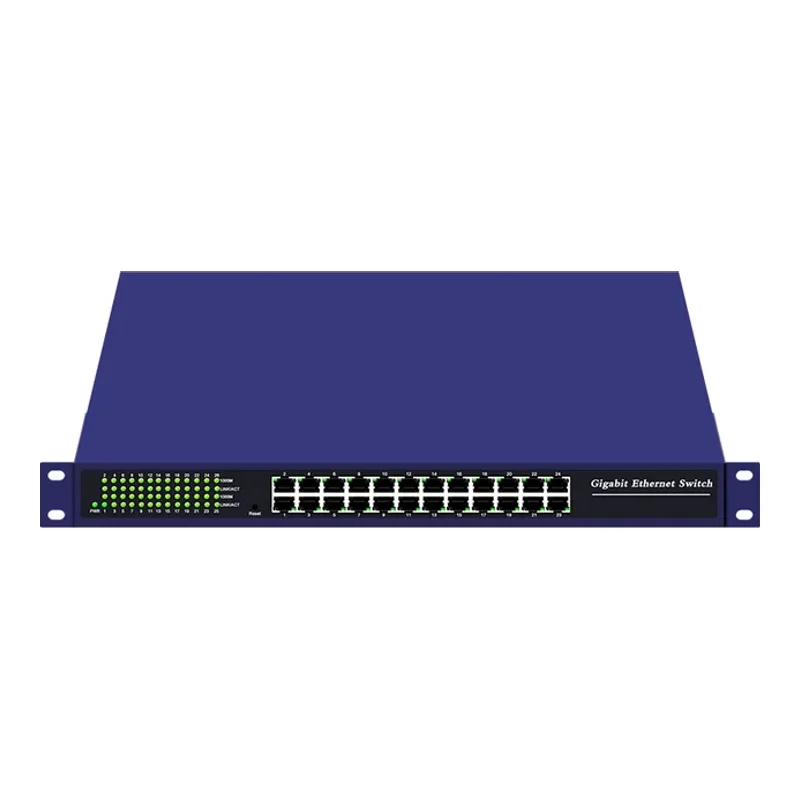
Certain phrases deserve suspicion. "Up to 100 km" quotes the best module in the family, not the one in your carton. "Compatible with all major brands" is not a compatibility list. A 48 Gbps backplane only means something next to the port count, and an oversized MAC address table is marketing, not speed. Ask for the full specification table in writing, then verify on arrival: run throughput tests, read DDM values and compare the sheet line by line against what the hardware actually does.
The pre-order checklist
Before ordering, pin down six lines: fiber type and core count at both ends; true path length including patch leads; the wavelength plan, with every BiDi pair matched A to B; the power budget for the longest link; the temperature at the worst install site, from a rooftop cabinet to a coastal node; and DDM support so future faults are measurable. Then add mounting dimensions and warranty terms — two years against one — and you hold a sheet you can hold a factory to.